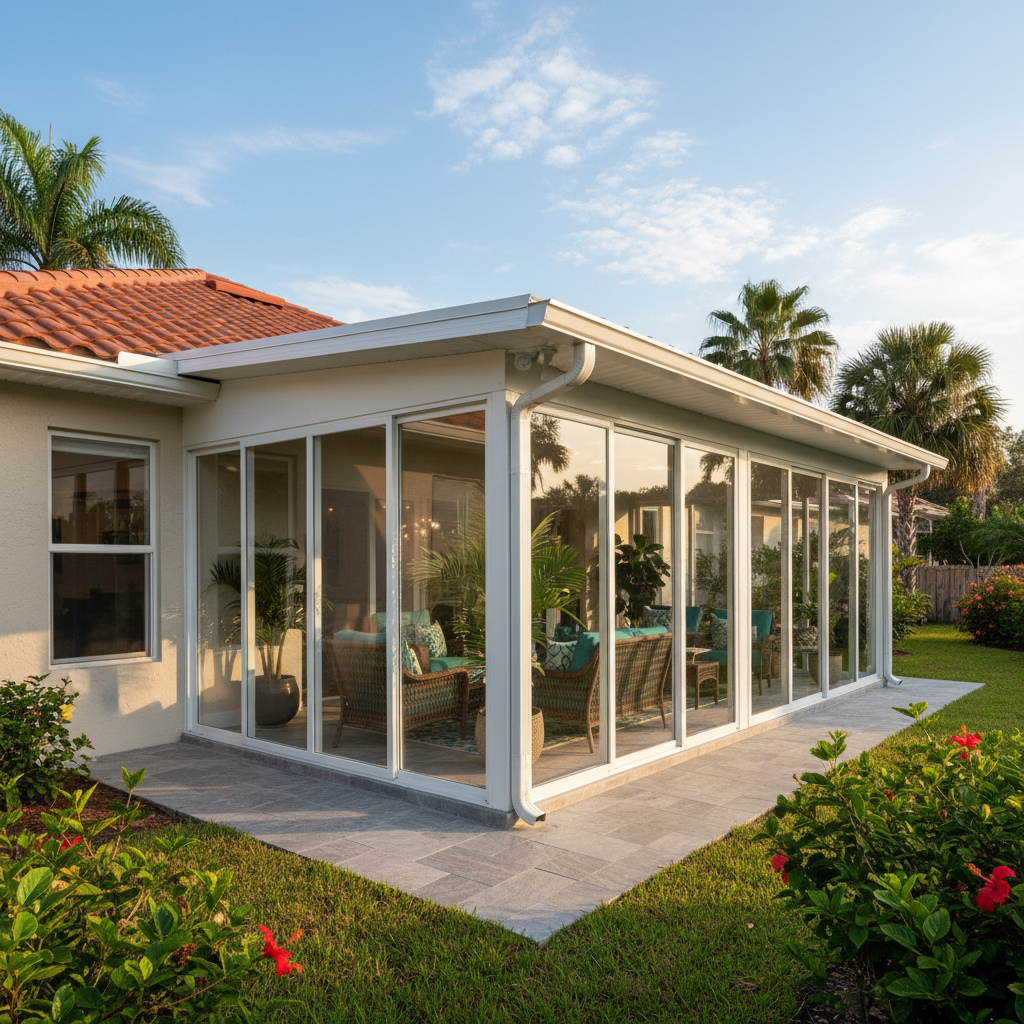
Alright, let's talk sunrooms and Jacksonville weather. You live here, you know it's a different beast than, say, up north. That means when you're thinking about adding a sunroom, or just keeping your existing one looking good, you can't just follow generic advice. Our climate dictates a lot, from when we can actually build to how you maintain your new space.
When's the Best Time to Build a Sunroom in Jacksonville?
This is probably the most common question I get at Paramount Sunroom Co. Everyone wants to know the 'perfect' time. Honestly, there's no single perfect month, but there are definitely better windows and times to avoid.
Fall (October-November): This is prime time, in my opinion. The scorching summer heat has usually backed off, and we're not yet into the really chilly (for us) winter mornings. The humidity drops, and you get those beautiful, clear days. This makes for much more comfortable working conditions for my crew, and it means your materials aren't sitting out in a downpour or baking sun for weeks on end. Plus, if we start in the fall, you're often enjoying your new space by the holidays.
Spring (March-April): Another good window. This is before the full-on summer heat and daily afternoon thunderstorms kick in. You've got pleasant temperatures and generally lower humidity. The downside? Spring can be a bit more unpredictable with sudden rain showers, but usually nothing that shuts down a project for too long.
Winter (December-February): We can definitely build in winter. The temperatures are mild, and it's usually our driest season. The only real hiccup can be those occasional cold snaps where it dips into the 30s or 40s for a few days. That can slow down things like concrete curing or sealant application. But if you're not in a huge rush, it's a perfectly viable time.
Summer (May-September): Can we build in summer? Yes, we do. Is it ideal? Not always. The heat and humidity are brutal, and those daily afternoon thunderstorms are a real factor. We have to be much more strategic about scheduling, covering materials, and working around the rain. It can sometimes lead to more delays. If you're planning a sunroom, and you want to avoid potential weather-related slowdowns, I'd suggest aiming for another season if you can.
Weather Conditions That Affect Your Sunroom Project
Beyond just the season, specific weather conditions can impact a build. High winds from a sudden squall can make installing large panels tricky and unsafe. Heavy, prolonged rain can delay foundation work or framing because you can't work with wet wood or pour concrete effectively. Extreme heat can affect how sealants cure or how comfortable the crew is working on your property. We always monitor the forecast closely, but sometimes Mother Nature throws a curveball. We'll always communicate any delays with you.
Protecting Your Sunroom Investment Year-Round
Once your beautiful new sunroom is built, you want it to last, right? Here in Jacksonville, that means dealing with heat, humidity, and the occasional hurricane threat. Here's what I tell my customers:
Regular Cleaning: Don't let pollen, salt spray, and general grime build up. A simple wash with mild soap and water a few times a year keeps your windows clear and frames looking new. Pay attention to the tracks on sliding windows and doors – sand and dirt can really gunk those up.
Check Seals and Caulking: Our intense sun and humidity can be tough on sealants. Every year or two, walk around your sunroom, inside and out. Look for cracks or deterioration in the caulk around windows, doors, and where the sunroom meets your house. If you see issues, address them promptly to prevent water intrusion. This is especially true for homes closer to the coast or in areas like the Intracoastal West where salt air is more prevalent.
Drainage Check: Make sure gutters are clear and water is draining away from your sunroom's foundation. Ponding water is a recipe for trouble, whether it's around your sunroom or your main house.
Hurricane Prep: We live in Florida, so this is non-negotiable. Know how to secure your sunroom. If you have impact-resistant windows, great. If not, have a plan for boarding up or using hurricane shutters. Clear the area of any loose items that could become projectiles.
HVAC Maintenance: If your sunroom is climate-controlled, make sure your HVAC unit (or mini-split) gets regular service. Keeping it running efficiently will save you money and keep your space comfortable.
Taking a little time for maintenance goes a long way. It protects your investment, keeps your sunroom looking great, and ensures you get to enjoy that extra space for years to come, no matter what Jacksonville weather throws at us.