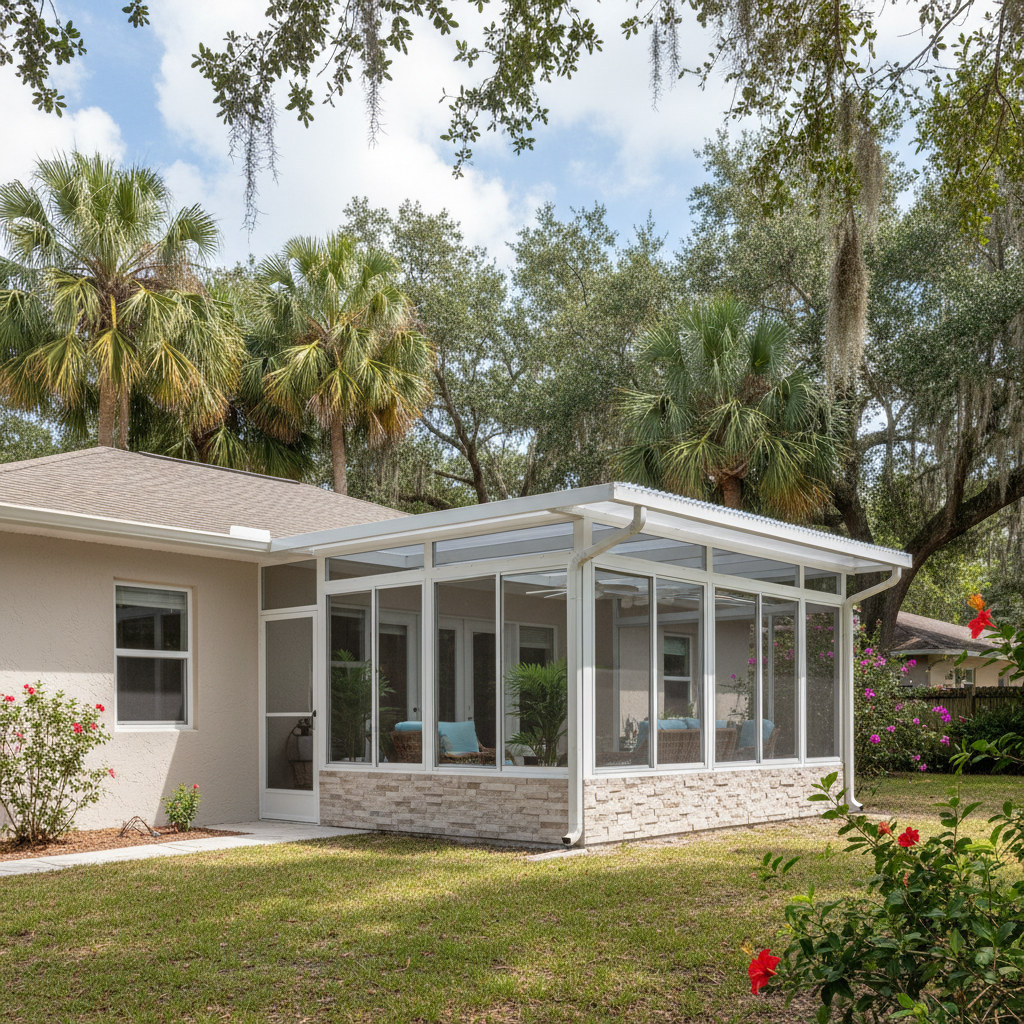
Dreaming of a new three-season room? That perfect spot to kick back on those beautiful Jacksonville mornings, maybe with a cup of coffee, without battling the mosquitoes? It's a solid investment, absolutely. But, I've seen plenty of folks make some real blunders, turning that dream into a headache. So, here's what you really need to know to avoid regret when you're planning or hiring for your project.
Mistake #1: Not Understanding What a 'Three-Season' Room Really Is
This one's probably the biggest. A lot of people hear 'three-season' and just assume it's a cheaper version of a four-season room. It's not, though. A three-season room is built to be comfortable for most of the year — usually spring, summer, and fall. It typically uses single-pane glass or lighter vinyl windows and doesn't have the same insulation values as the rest of your house. Basically, it's not meant to be heated and cooled like your main living space.
What's that mean for you here in Jacksonville? Well, on those really cold January days, or during the dog days of August when the humidity is through the roof and it feels like 105 degrees, your three-season room might not be as comfy as you'd hoped without some extra heating or cooling. It'll definitely beat being outside, no doubt, but don't expect it to be a perfectly climate-controlled extension of your living room. If you're after a year-round, always-comfortable space, you're looking for a four-season room. And that, my friend, is a whole different animal, with different costs and construction methods.
Mistake #2: Skipping the Permitting Process
I really can't stress this enough: get your permits! I know it feels like a pain, and some contractors might even suggest you don't need them to save a few bucks. That's a huge red flag, by the way; you should turn and run. Here in Jacksonville, Duval County has specific requirements for any structural addition to your home. This isn't just about bureaucracy either; it's about safety and protecting your investment.
When you pull permits, the city inspects the work at different stages. They're checking that the foundation is solid, the framing meets code, and the electrical work is safe. If you build without permits, you could face fines, be forced to tear the whole thing down, or run into major headaches when you try to sell your home later on. Can you imagine trying to close on a sale and the buyer's inspector finds an unpermitted addition? It can kill the deal or force you into expensive, last-minute fixes. Don't risk it. A reputable contractor, like us at Paramount Sunroom Co, will always handle the permitting process for you.
Mistake #3: Not Vetting Your Contractor Thoroughly
This isn't just for three-season rooms; it goes for any home improvement project. But with an addition like this, where structural integrity and weatherproofing are so important, it's even more critical. You wouldn't believe how many times I've heard stories from folks who hired the cheapest guy they could find, only to have problems a year or two later. Leaks, sagging roofs, windows that won't open right — you name it.
Here's what you need to do:
- Check their license and insurance: Make sure they're properly licensed in Florida and carry liability insurance. Ask for proof, too.
- Ask for references: And actually call them. Ask about their experience, if the project stayed on budget, if they cleaned up, and if they'd hire them again.
- Look at their previous work: A good contractor will be proud to show you photos or even let you visit a completed project.
- Get a detailed contract: It should spell out everything: materials, timeline, payment schedule, and who's responsible for what. Don't just settle for a handshake or a vague estimate.
Especially here in Jacksonville, where we get our fair share of heavy rain and strong winds, you need a room built to withstand the elements. You really don't want a contractor cutting corners on flashing or sealing around the roofline, only to have water intrusion issues later. The sandy soil we have around here also means proper foundation work is crucial, so you need someone who truly knows what they're doing.
Mistake #4: Underestimating the Impact on Your Existing Home
A new room isn't just some isolated box; it connects to your house. You've got to think about how it will affect natural light in adjacent rooms. Will it block a window? Will it make a previously bright room dark? Also, consider how it will tie into your existing roofline and exterior. You want it to look like it was always part of the house, not some afterthought, right? A good design will integrate seamlessly.
Think about access too. Where will the door to the new room be? Will it require moving an existing window or door? These are all things that need careful planning before construction even starts. Don't just focus on the new room itself; consider the whole picture.
Building a three-season room is a fantastic way to add functional space and value to your Jacksonville home. Just make sure you go into it with your eyes wide open, understand what you're getting, and work with professionals who know their stuff. Do that, and you'll be enjoying your new space for years to come.